


As a practising midwife, I regularly support women with iron deficiency during pregnancy and the postnatal period, and tolerability is often one of the biggest challenges with supplementation. Active Iron 25mg stands out as a high-quality and well-designed option. The formulation offers effective absorption in a lower dose, which may help to reduce the gastrointestinal side effects commonly associated with traditional iron supplements, which is especially important where nausea and digestive discomfort can impact compliance. I happily recommend this product, particularly to women who have struggled to tolerate standard iron tablets or who are looking for a gentler alternative.


Resources for Healthcare Professionals .
Our healthcare hub has been created specifically for health professionals. Our aim is to equip you with the tools and knowledge you need to help advise and engage your patients and customers, so they can meet their nutritional needs without compromise.
How Active Iron Works .
Most iron supplements dissolve in the stomach. This can lead to oxidation and gut inflammation, which can lead to the common side effects associated with oral iron, such as constipation and nausea.
Most liquid iron supplements contain a much lower dose of iron which is why they can avoid these common side effects. Although this is a great benefit, they often do not provide sufficient iron to increase iron levels with some only containing 5mg iron per dose.
Active Iron is different, its groundbreaking whey protein formula targets the right place for absorption, the DMT-1. This helps reduce oxidation thus protecting the gut from inflammation.
As a result, Active Iron is highly absorbed compared to other iron supplements¹, making it gentle on the stomach and clinical results have shown that it increases iron levels by 94%². Active Iron’s product doses range from 14mg to 25mg so they are suitable for different patient needs.

Clinically Proven Research .
There is a body of research supporting Active Iron spanning over 18 years. Working with a team of Scientists at Dublin’s premier University, Trinity College Dublin, we developed Active Iron, so people could feel the benefits of iron without the negative side effects.
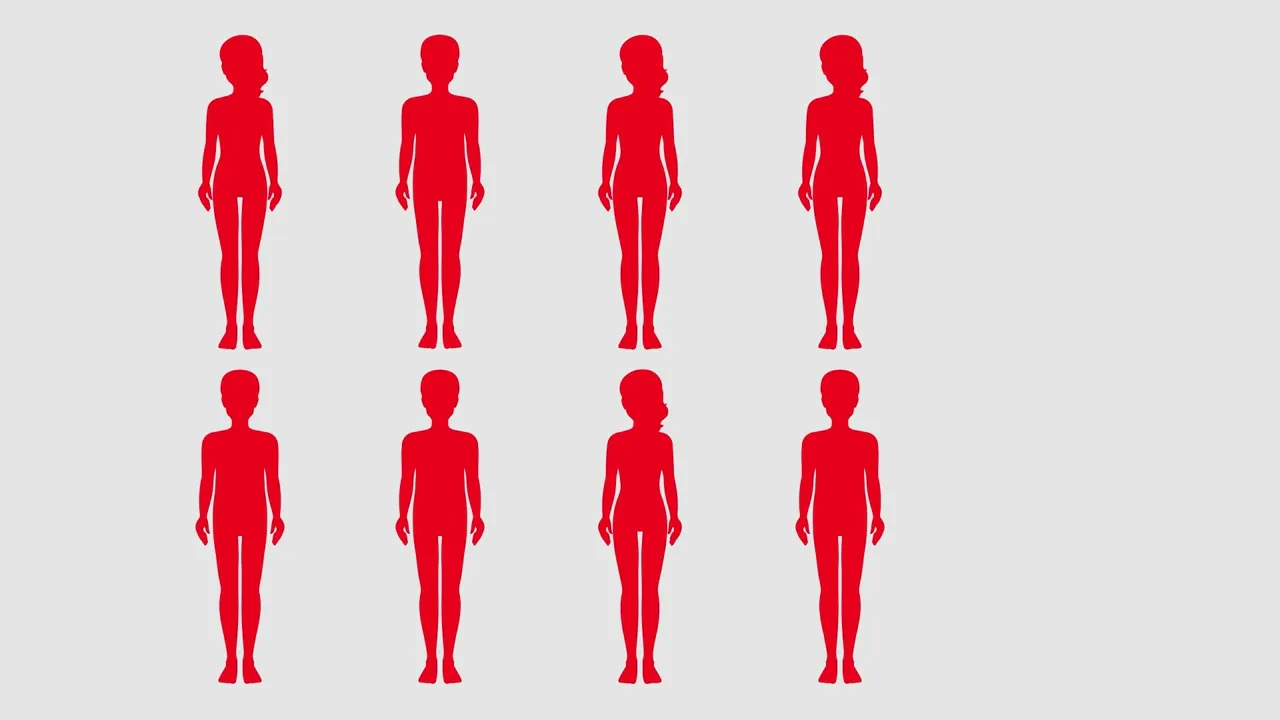
Women have a foundational need for iron across a 30-40 year period of their lives, from preconception right through to perimenopause. Iron requirements change throughout these life stages, but overall, low iron impacts 1 in 4 women. We believe that women have been putting up with the side effects of oral iron for too long.
This led us to publish our study in women with periods in 2023, to find out more about the impact that Active Iron has on compliance, tolerability and efficacy of oral iron in this group. There is an unmet need for iron in certain segments of the population: women with periods, pregnant and postnatal women, and athletes and active exercisers.
As part of our ongoing programme of research, we are committed to building our data set within these three priority groups who are most highly affected by low iron.

Continuous Professional Development (CPD) .
We understand that it is a mandatory requirement for Health Care Professionals (HCPs) to complete ongoing professional training and education. That’s why we developed a CPD module where you can learn about the importance of iron throughout women’s life stages.
Testimonials .

Our Resources
In this section of our Healthcare Hub portal, you will find tools and resources to support you in your clinical practice.

CPD Module
Access our FREE CPD to discover the latest guidelines on the importance of iron throughout women’s life stages.
Learn More
Whitepaper: Improving the Quality of Life for Women with Endometriosis & Menorrhagia
This white paper by Dr. Ria Clarke aims to describe some of the common features of endometriosis and menorrhagia.
Learn More
Whitepaper: Closing the Gaps in Postpartum Care
Marie Louise discusses the vital importance of iron during pregnancy and the postpartum period.
Learn More
Whitepaper: Tired all the Time - The Impact of Heavy Periods & Low Iron on Perimenopausal Women
Emma Bardwell, a registered nutritionist and author, covers the impact of heavy periods and low iron on perimenopausal women.
Learn More
Whitepaper: Avoiding Treatment Failure with Iron Supplementation
The purpose of this paper is to inform women, healthcare professionals and birth workers of the importance of iron during pregnancy, treatment failure with traditional iron supplementation and why low dose iron during pregnancy could become the best preventative measure to avoid lapsed usage.
Learn More
Whitepaper: The Importance of Optimised Iron Levels for Female Athletes
Renee McGregor, a leading sports & eating disorder specialist, covers the importance of optimised iron levels for female athletes.
Learn More
Whitepaper: Folic vs Folate
The purpose of this paper is to inform women, healthcare professionals and birth workers of the difference between folic acid and folate.
Coming Soon
GP Q&A
Dr. Stephanie Ooi answers your frequently asked questions in relation to women’s health, iron & Active Iron.
Learn More
Guide to Iron in Pregnancy
Written by expert midwife Avril Flynn, this guide can be used by GP’s midwives and maternity professionals
Learn MoreResources Continued

Period Conversation Starter Guide
Menstrual health matters. Let's start the conversation!
Learn More
Heavy Menstrual Bleeding - Symptom Tracker
2 in 3 women experience heavy periods, here are the key symptoms to look out for.
Learn More
Active Iron Pregnancy
Active Iron Pregnancy contains non-constipating Active Iron plus a complete time-release multivitamin providing all the key nutrients for mum and baby.
Read more
Active Iron Kids
Active Iron Kids contains iron which supports energy and iron levels, helping to fight tiredness and fatigue. Active Iron is specially formulated to help prevent constipation, making it gentle on the stomach, while supporting iron levels.
Read moreFAQs .
Active Iron’s is a groundbreaking patent protected iron supplement that is highly absorbed compared to oral iron products¹.
Active Iron is a food supplement and not a medicine, meaning our products contain 100-179% of the recommended daily allowance of iron, whereas prescription iron has a higher dose. For example, prescription iron may contain 100mg elemental iron. The issue with high-dose iron is that it oxidises in the gut and, as a result, it is poorly absorbed³.
It is this oxidation and poor absorption that cause gastrointestinal side effects such as nausea and constipation in 8/10 people⁴. Typically, 50% of people stop taking iron as a result of these side effects⁵.
Most liquid iron supplements contain a much lower dose of iron, which is why they can avoid these common side effects. Although this is a great benefit, they often do not provide sufficient iron to increase iron levels, with some only containing 5mg of iron per serving.
Active Iron is different. Unlike other oral iron, its whey protein formula protects the iron from oxidation, allowing for 2X better absorption¹. As a result, Active Iron is clinically proven to increase iron levels by 94% and is gentle on the stomach, helping to prevent gastrointestinal side effects and allowing for 4X better compliance in taking the product².
The recommended dosage of Active Iron may vary depending on the individual’s age, sex, and specific iron deficiency needs. Our product doses range from 14 mg to 25mg; the risk of side effects does not increase with the dose².
Active Iron is best taken on an empty stomach to optimise absorption and minimise potential digestive issues. Avoiding the intake of tea, coffee, milk, eggs, whole-grain cereals, and dietary fibre at the same time as taking Active Iron is recommended, as these can reduce iron absorption and potentially contribute to stomach discomfort.
It is advisable to take Active Iron with a glass of orange juice (vitamin C enhances iron absorption) one hour before meals or wait for one to two hours after your last meal before taking it.
Active Iron is less likely to cause stomach upset compared to other iron supplements, as it is highly absorbed. It is the unabsorbed iron in the gut that causes gastrointestinal discomfort. Active Iron has also been clinically proven to be six times less likely to cause gut irritation compared to other iron supplements².
If your patient is experiencing stomach upset, it might be worthwhile to try another box of Active Iron while adhering to the recommended instructions.
Active Iron is designed to be gentle on the stomach compared to other iron supplements, but individual experiences may vary. By taking it on an empty stomach and avoiding certain foods or beverages that hinder iron absorption, you can increase the likelihood of a positive experience with Active Iron.
Active Iron is a low dose product (from 14mg to 25mg) that is highly absorbed compared to other iron supplements¹. We recommend Active Iron only to those who are at risk of developing low iron levels (i.e those with regular periods, pregnant, vegetarians, heavy exercisers) or have low iron levels.
14mg of iron is the recommended daily allowance for iron set by the regulator (EFSA). 14mg would be considered safe based on daily intake for the average person. A tolerable upper limit of 45mg has been recommended for iron and this is based on tolerability of iron products.
There is an inherited condition called haemochromatosis where iron levels build up slowly over many years. Women with periods will have a slower build up than men as there will be iron loss monthly. There is no way of knowing you have this condition unless you have the genetic screening for it.
Yes, Active Iron is safe for pregnancy and breasfeeding. It is recommended that Active Iron is taken early in pregnancy to avoid the need for higher dose iron (which can cause side effects) later in pregnancy.
Active Iron is clinically proven to increase iron and energy levels in six weeks².
Some medications interact with any iron formulation (not only Active Iron) like Omeprazole or other medications that increase stomach pH and reduce iron absorption. All iron forms (not only Active Iron) also reduce levothyroxine hormone absorption. In these cases, a gap of 2-3 hours is recommended between iron supplement and the other medication.
Active Iron does not interact with contraceptive pills, hormonal replacement therapy (HRT) or multivitamins. Some minerals such as calcium and magnesium can inhibit the absorption or each other when made in one form. We have optimized our multivitamins and minerals formulations to reduce the interaction of Active Iron with calcium in our multivitamin and mineral tablets.
Active Iron is available to purchase on activeiron.com as well as Boots, Holland & Barrett, Amazon & pharmacies nationwide.
References
- ¹Wang et al. 2017, Acta Haematologica, 138: 223-232.
- ²Ledwidge et al. 2021. Data on file.
- ³Muñoz M et al, World Journal of Gastroenterology 2009;15(37): 4617-26,
- ⁴Pereira D et al BMC Gastroenterol 2014 Jun 4;14:103. doi: 10.1186/1471-230X-14-103,
- ⁵Tolkien Z, et al. PLOS ONE 2015.